Aligning Registration Benefits with Extended Play Adjustments Across Hockey Playoffs and Electronic Table Games
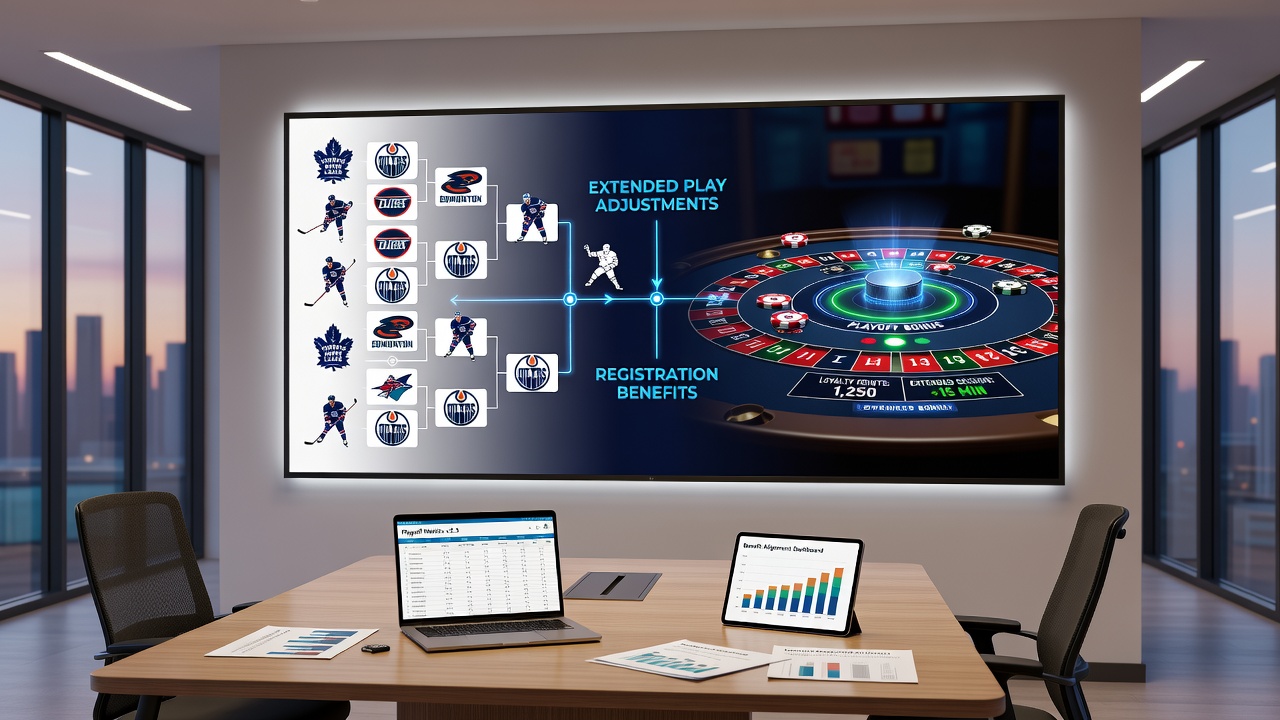
Registration benefits on wagering platforms function as initial credit allocations that operators modify to match extended participation windows, particularly during hockey playoffs and within electronic table game environments, while data from multiple jurisdictions shows these alignments occur through structured rollover sequences that track both live event durations and simulated game rounds.
Core Mechanics of Registration Benefit Structures
Operators establish registration benefits as deposit-matched credits or free play tokens that activate upon account creation, yet these same benefits undergo recalibration when users extend activity into prolonged hockey playoff series that stretch across multiple weeks, and the adjustments incorporate time-based multipliers that scale with the number of completed game rounds in electronic table games such as virtual blackjack and roulette simulations.
Platform algorithms monitor participation length through timestamped wager logs, which allows automatic extension of benefit validity periods when playoff schedules extend beyond standard regular-season lengths, and this same monitoring applies to electronic table game sessions where consecutive spins or hands trigger progressive credit releases.
Adjustments Specific to Hockey Playoff Timelines
Hockey playoff campaigns feature extended series formats that can span five to seven games per round, and registration benefits receive phase-locked extensions that align credit release schedules with each subsequent playoff stage rather than fixed calendar dates, while operators in North American markets coordinate these changes with league schedules published by official governing bodies.
According to industry reports published by the American Gaming Association, synchronized credit flows between playoff prop wagers and bonus ledgers increased by measurable percentages during recent postseason windows, and similar patterns appear when users transition from hockey markets into electronic table game modules on the same accounts.
Electronic Table Game Integration Pathways
Electronic table games operate on continuous random number generator cycles that permit uninterrupted play sessions, and registration benefits convert into table-game-specific credits through automated mapping protocols that maintain parity with hockey playoff adjustment rules, which means a user who accumulates playoff-related extensions can apply equivalent credit values to blackjack or baccarat rounds without separate qualification steps.
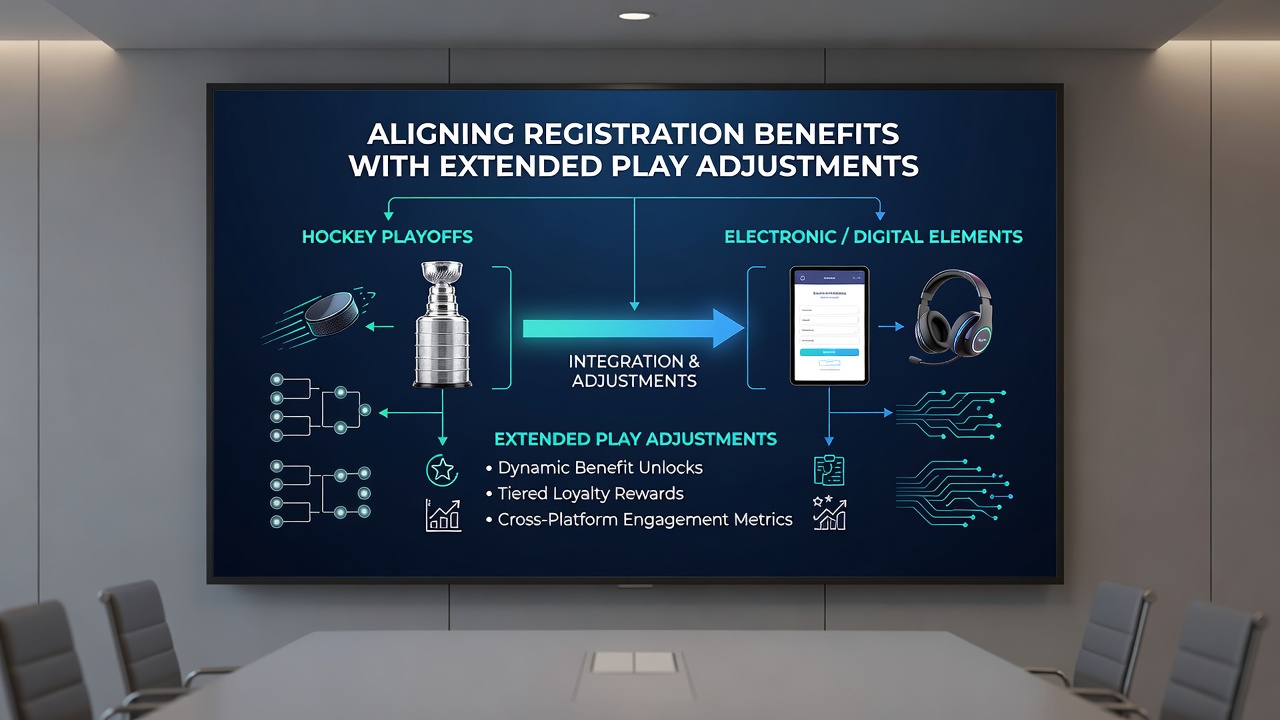
Research from the University of Nevada Gaming Research Center indicates that platforms employing unified ledger systems reduce friction in these transfers, and the same studies document how July 2026 updates introduced real-time synchronization flags that activate when playoff coverage overlaps with peak table game traffic hours.
Regulatory and Operational Coordination in July 2026
By July 2026 several Canadian provincial regulators, including the Alcohol and Gaming Commission of Ontario, had issued updated guidance requiring transparent disclosure of extended-play adjustment formulas, and operators responded by publishing standardized timelines that detail how registration benefits migrate from hockey playoff accumulators into electronic table game balances during the summer transition period.
These disclosures cover both the percentage of original benefit value retained after each extension phase and the maximum number of table game rounds eligible under a single aligned promotion, which creates predictable pathways for users who move between the two verticals.
Cross-Vertical Credit Allocation Examples
One documented sequence begins with a registration deposit match applied to early-round hockey playoff wagers, continues through series-length extensions that unlock additional free rounds, and concludes with remaining credits automatically converted for use in electronic roulette sessions once playoff coverage ends, and this sequence repeats across multiple operator platforms that share similar backend architectures.
Another pathway links table game session length directly back to hockey playoff extensions, allowing users who reach certain spin thresholds to receive retroactive playoff benefit top-ups during the same calendar window, and data aggregators record these bidirectional flows as part of routine compliance reporting.
Conclusion
Alignment between registration benefits and extended play adjustments continues to evolve through coordinated technical and regulatory frameworks that span hockey playoff calendars and electronic table game environments, with July 2026 marking a period of standardized disclosure practices that clarify credit migration routes across both categories.