Decoding the Sequence of Perk Conversions Across Athletic and Gaming Platforms
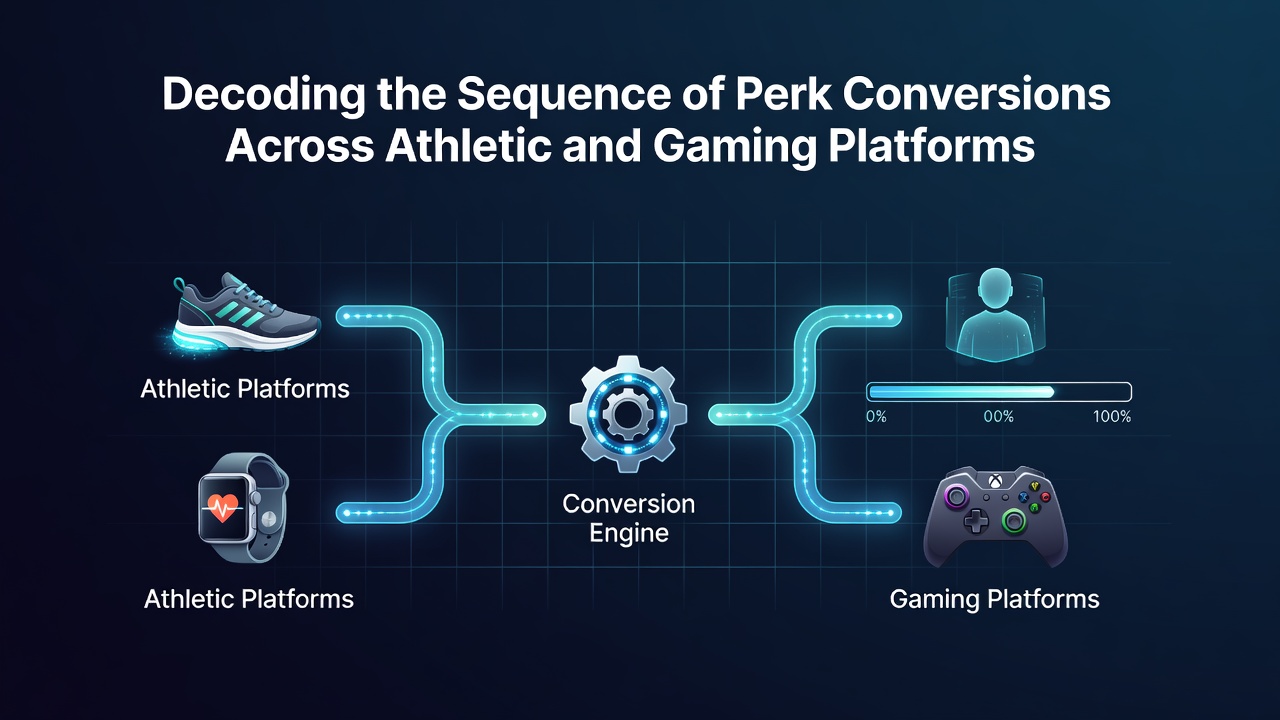
Perk conversions across athletic and gaming platforms follow structured sequences that link initial sign-up incentives to ongoing credit transfers, and these pathways operate through defined timelines that platforms enforce during specific calendar periods. Data from industry tracking services shows that sequences typically begin with athletic event wagers and transition into gaming credit allocations once rollover thresholds are met, while July 2026 marks a period when several North American operators adjust these flows ahead of summer league breaks and fall campaign launches.
Core Mechanics of Perk Sequence Initiation
Operators initiate perk sequences when users complete qualifying athletic wagers, and the system automatically logs those activities into a shared ledger that gaming platforms can access. Research indicates that the first stage requires users to place a minimum stake on events such as basketball props or soccer accumulators, after which the platform generates a transferable credit value. Those who've studied these models note that conversion rates depend on the original wager type, with accumulator bets often unlocking higher transfer ratios than single-leg plays because the platform calculates risk exposure differently across those categories.
Timing plays a central role because athletic seasons create natural windows for sequence starts, and platforms synchronize these with gaming extensions to maintain user engagement across both environments. According to reports from the American Gaming Association, synchronized ledgers reduce manual intervention and allow credits to move within 24 to 72 hours once conditions are verified, while external audits confirm that these automated checks prevent premature transfers that could violate jurisdictional rules.
Transition Points Between Athletic and Gaming Environments
Conversion sequences reach a transition point once athletic wager results settle and the platform validates the outcome against predefined criteria, at which stage the system releases the corresponding gaming credit. Observers note that this handoff occurs most frequently during off-peak athletic windows, and July 2026 data patterns reveal increased activity as basketball and soccer markets shift toward preseason fixtures that carry lower volatility thresholds. The process uses API connections that flag eligible credits and route them to casino-style games such as digital reels or table extensions without requiring separate account actions.
Multiple clauses define the validation step because operators must confirm both the wager result and the user's account standing before the transfer proceeds, and any discrepancy pauses the sequence until resolution occurs. Studies compiled by the Canadian Centre for Gaming Research highlight that these pauses average between four and twelve hours when documentation reviews are involved, whereas clean sequences complete in under two hours during automated verification cycles.

Calendar Influences on Sequence Duration
Seasonal calendars directly shape how long perk sequences remain active, and July 2026 presents a compressed window as operators prepare for upcoming gridiron and winter league starts. Platforms extend conversion deadlines during this month to accommodate users who shift focus toward gaming environments while athletic markets enter reduced schedules, and the extended timelines allow credits earned from spring and early summer wagers to carry forward without expiration. Figures released by the Australian Communications and Media Authority indicate that similar mid-year adjustments in other regions produce measurable increases in cross-platform activity, with transfer volumes rising between 18 and 27 percent compared to non-transition months.
Longer sequences incorporate loyalty tier adjustments that modify conversion ratios based on cumulative activity, and users who maintain consistent engagement across both athletic and gaming segments receive incremental bonuses at each stage. Those who track these pathways report that tiered models create branching sequences where early athletic credits unlock higher gaming multipliers once a secondary threshold is reached, thereby linking the two environments through progressive qualification steps.
Verification and Compliance Layers
Compliance frameworks require platforms to document every credit movement within the sequence, and regulatory bodies in multiple jurisdictions mandate timestamped records that auditors can review. The sequence incorporates identity verification checkpoints at the point of transfer, which prevents credits from moving between accounts that fail to meet residency or age criteria. Data compiled across North American and European operators shows that these checkpoints resolve within the same business day in over 90 percent of cases when users have previously completed verification during initial registration.
Platform logs also record the origin of each perk so that subsequent gaming activity can be traced back to the athletic wager that generated it, and this traceability supports responsible gaming tools that set spending limits across both environments. When sequences span multiple calendar months, operators issue periodic summaries that detail remaining balances and upcoming expiration dates, thereby keeping the conversion pathway transparent for users who participate in extended campaigns.
Conclusion
Sequences that link athletic wagers to gaming credits rely on automated ledgers, calendar timing, and compliance checkpoints that together determine how and when conversions occur. July 2026 continues to illustrate these patterns as operators refine transfer windows ahead of new league cycles, while data from regulatory and industry sources confirms that the underlying mechanics remain consistent across platforms. The documented pathways provide a measurable framework for tracking credit movement between the two environments without requiring separate user intervention at each stage.