Inside Reward Pathways: How Loyalty Tier Mechanics Reshape Accumulator Structures Across Winter League Markets
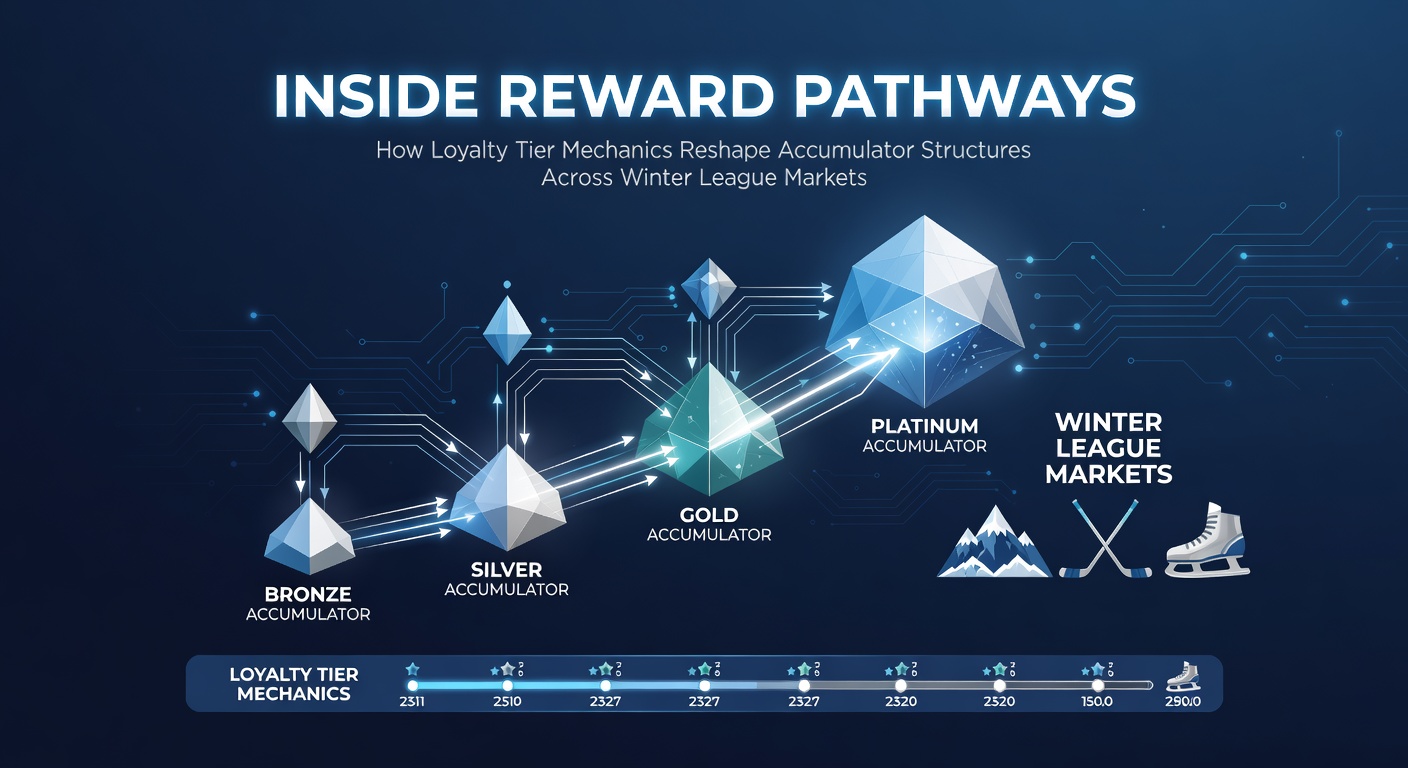
Winter league markets in professional sports have seen loyalty tier mechanics integrate more tightly with accumulator betting structures over recent seasons, and data from multiple regulatory bodies shows measurable shifts in how bettors construct multi-leg wagers. These systems assign users to progressive levels based on activity volume, and higher tiers unlock specific modifications to accumulator parameters such as leg limits, payout multipliers, and risk thresholds. Research indicates that platforms adjust accumulator rules dynamically once a user reaches defined thresholds, which in turn influences participation patterns across NHL, NBA, and related winter circuits.
Mechanics Behind Tier-Based Accumulator Adjustments
Loyalty frameworks track metrics including total stake volume, frequency of accumulator placements, and retention periods, then apply corresponding changes to betting structures. Observers note that entry-level tiers typically maintain standard accumulator formats with fixed maximum legs and baseline odds calculations, whereas mid-tier and top-tier accounts receive expanded options such as additional legs without proportional stake increases or enhanced cash-out flexibility during live events. According to figures released by the Nevada Gaming Control Board in early 2026, accumulator modifications tied to loyalty status accounted for a documented rise in average wager complexity among qualifying accounts during the 2025-2026 winter period.
Those who've examined platform algorithms describe how tier advancement triggers automated recalibrations: an accumulator that might normally cap at five legs for standard users can extend to seven or eight for elevated tiers, and certain winter league events receive supplementary boost factors applied only after tier verification. This process operates through backend systems that cross-reference user profiles with current event data, ensuring adjustments activate before bet confirmation.
Winter League Markets and Accumulator Evolution
NBA and NHL markets demonstrate particularly clear examples of these interactions because their regular seasons align with peak loyalty program activity cycles. Accumulators built around player props, team totals, and period-specific outcomes undergo structural changes once tier status updates, and analysts tracking May 2026 data have recorded higher average leg counts in playoff-related accumulators among users who advanced tiers mid-season. Industry reports compiled by the Canadian Centre on Substance Use and Addiction highlight that such modifications correlate with shifts in overall market liquidity, especially in cross-league accumulator products that combine NBA and NHL selections.

Platform operators apply these changes through rule sets that reference historical performance data for each league, and the result appears in altered payout tables that favor longer accumulators for higher-tier accounts while maintaining risk controls calibrated to individual tier histories. What's interesting here is how the same winter league event can generate different accumulator configurations depending solely on the user's current loyalty level, creating segmented market experiences within a single betting interface.
Regional Data Patterns in 2026
European regulatory summaries released in spring 2026 indicate parallel developments in markets that overlap with North American winter leagues through international betting exchanges, and these reports document similar tier-driven expansions in accumulator leg allowances. Australian gambling research centers have also published aggregate statistics showing increased accumulator completion rates among loyalty program participants during the corresponding southern hemisphere winter window, although direct causation remains tied to platform-specific implementations rather than universal policy.
One case where experts tracked these effects involved NHL playoff accumulators in May 2026, where tier-three and tier-four users received options to incorporate live in-game statistics that remained unavailable at lower levels, thereby extending accumulator duration and complexity without altering base odds structures. Such adjustments reflect backend processes that prioritize user retention metrics while complying with jurisdictional payout regulations.
Conclusion
Loyalty tier mechanics continue to influence accumulator design across winter league markets through systematic rule variations that scale with user status, and available data from multiple oversight bodies confirms these changes affect both bet construction and market behavior. The patterns observed in 2026 demonstrate how platform algorithms link activity thresholds to structural modifications, producing differentiated accumulator experiences that remain consistent within each tier classification.