Mapping User Analytics Patterns That Align Athletic Event Perks With Digital Gaming Thresholds Across Annual Cycles
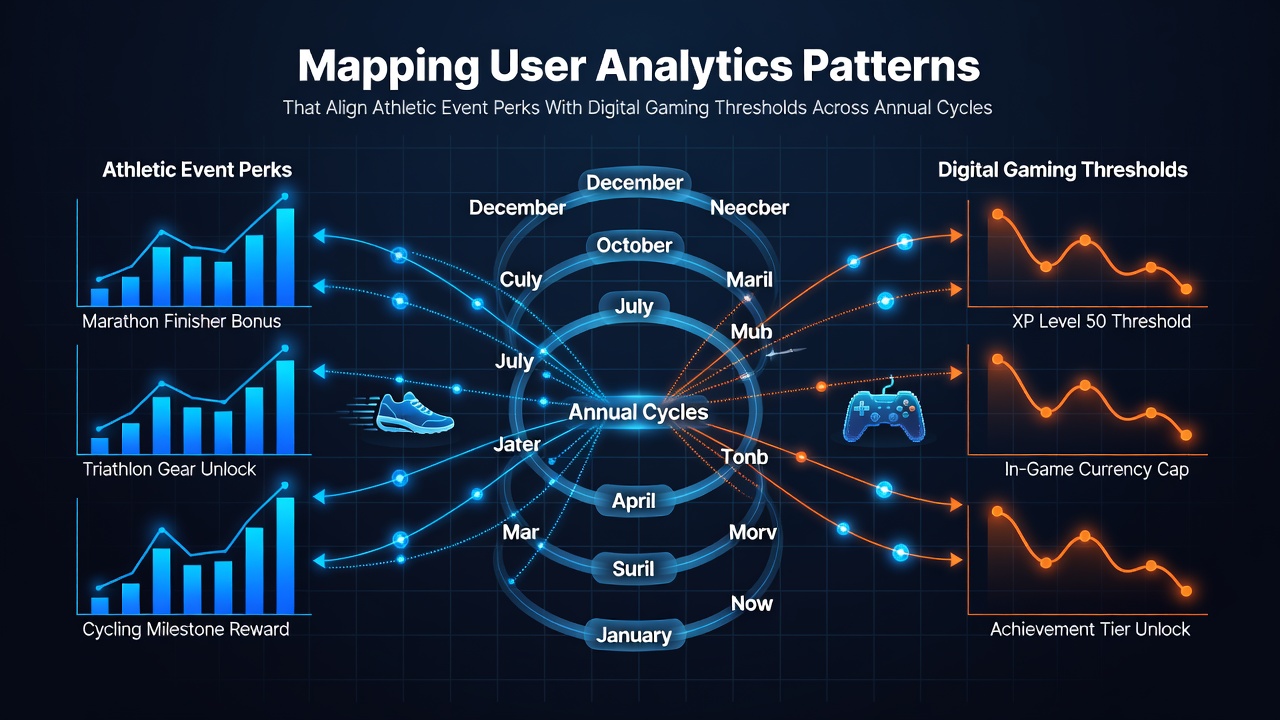
Analysts track user data flows across multiple platforms to reveal how athletic event incentives connect with digital gaming thresholds throughout complete yearly cycles, and these patterns emerge most clearly when seasonal sports calendars intersect with ongoing casino reward structures. Data collection begins with registration events tied to major league openings, then continues through mid-season adjustments and extends into off-peak periods when users shift focus between live event wagers and virtual table or slot activities.
Seasonal Data Collection Frameworks
Platforms gather metrics from user logins, bonus redemptions, and play duration at specific intervals aligned with league schedules such as NBA tip-offs in October or NFL training camps in July. Researchers compile these records into longitudinal datasets that span twelve months, allowing patterns to surface around how initial sports perks influence later threshold requirements in casino environments. Figures from the American Gaming Association show consistent spikes in cross-platform activity during transition months when one season ends and another begins.
July 2026 presents a notable window for observation because summer league basketball events and early motorsport calendars overlap with reduced football activity, creating measurable shifts in how users convert accumulated sports credits into gaming thresholds. Tracking tools monitor these movements in real time by logging entry points, completion rates, and subsequent deposit behaviors without requiring manual intervention from operators.
Identifying Alignment Patterns
Pattern recognition relies on clustering algorithms that group users by engagement velocity across athletic and digital segments, and these clusters reveal recurring sequences where a completed accumulator in one league triggers eligibility for casino credit tiers. Observers note that users who meet sports-specific thresholds in the first half of the year frequently carry those activity levels into summer gaming extensions, while others reset their patterns after major championship events.

Threshold alignment occurs when sports bonus values reach predetermined casino entry levels, and data models map these conversion points across different user cohorts. European Gaming and Betting Association reports indicate that European markets display similar synchronization during overlapping soccer and motorsport seasons, where early sign-up perks transition into sustained reel or table play requirements. The models adjust for regional regulatory variations yet maintain core variables around redemption frequency and average session length.
Cross-Platform Credit Pathways
Credit pathways function through automated synchronization protocols that link sports ledger balances to casino account tiers, and these protocols activate at set calendar markers such as the close of regular season play or the start of playoff windows. Analysts examine how rollover chains extend from league props into virtual reel credits, noting that the strongest alignments appear among users who maintain consistent activity across both domains rather than those who concentrate on single categories.
July 2026 data further illustrates how offseason transitions accelerate these pathways because reduced live event volume prompts users to explore digital gaming options at higher rates. Platforms adjust threshold parameters accordingly to maintain engagement continuity, with metrics showing measurable increases in multi-leg wager completions that feed directly into casino credit allocations.
Adjustment Mechanisms Across Cycles
Annual cycle adjustments incorporate feedback loops that recalibrate incentive values based on observed user migration rates between athletic and gaming segments, and these recalibrations occur at quarterly review points. Research indicates that users respond to synchronized credit sequences by extending their participation windows, particularly when early league sign-ups carry forward into mid-campaign casino transfers.
Pathway tracing tools document the movement of entry incentives into accumulator adjustments, revealing that certain market segments exhibit stronger retention when thresholds remain flexible across seasonal boundaries. Data from multiple jurisdictions demonstrates that these flexible models reduce drop-off rates during low-activity periods while preserving overall platform interaction levels.
Conclusion
Comprehensive mapping of user analytics patterns demonstrates clear connections between athletic event perks and digital gaming thresholds that persist across full annual cycles. Platforms continue to refine synchronization methods as new seasonal data accumulates, with July 2026 serving as one benchmark period for validating ongoing alignment strategies. These frameworks support sustained credit flows between league markets and table game extensions while respecting established operational parameters in each region.