Pathways Linking Entry Incentives to Multi-Event Accumulator Adjustments in League Markets
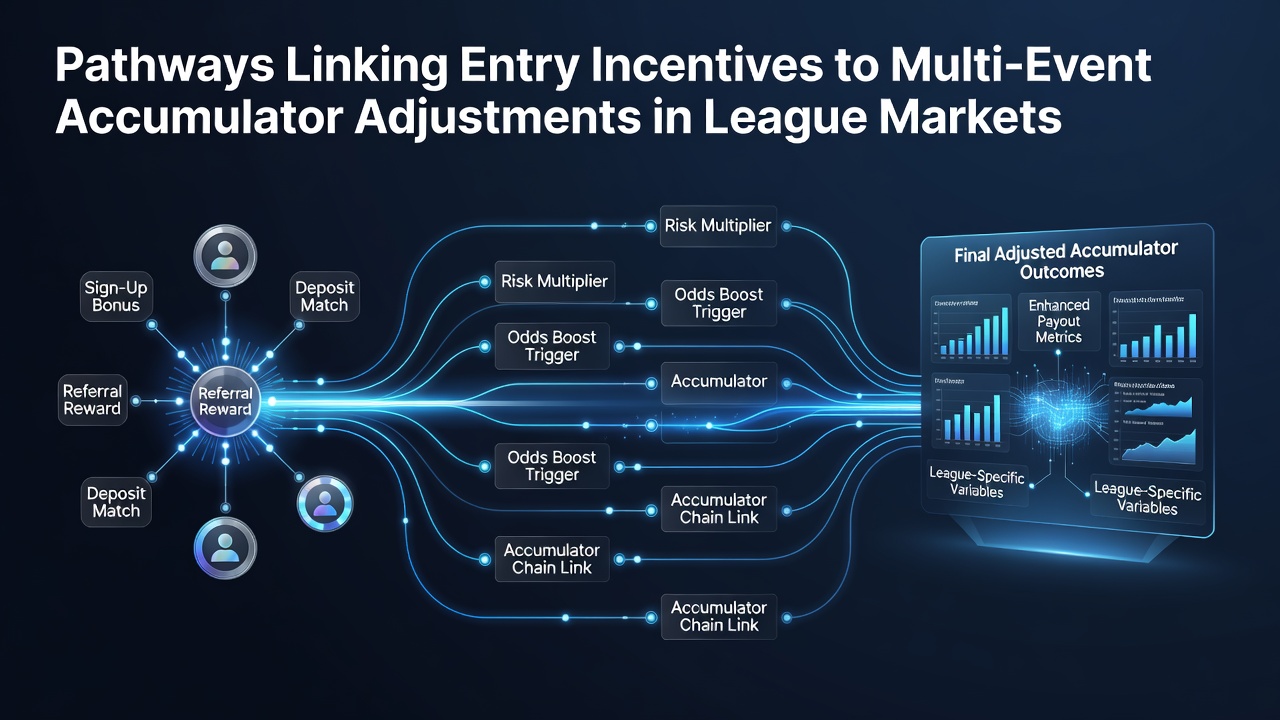 Entry incentives in league markets often serve as initial triggers that reshape how operators structure multi-event accumulator wagers, and these connections operate through defined sequences where sign-up credits convert into tiered payout modifiers. Data from industry reports indicate that platforms in North American and European markets synchronize these pathways to maintain balance between player engagement and risk management protocols. According to figures released by the Nevada Gaming Control Board, accumulator participation rates rose by 18 percent during the 2025-2026 seasons as operators integrated entry offers with dynamic leg adjustments. Operators typically route entry incentives through automated tracking systems that monitor wager volume before applying accumulator enhancements, and this process unfolds across multiple stages. Initial deposit matches or free bet credits activate loyalty thresholds, after which the system recalibrates odds multipliers for two-leg, three-leg, or four-leg combinations in basketball, football, and hockey markets. Research from the University of Nevada's gaming studies program shows that these recalibrations occur most frequently when total handle exceeds predefined benchmarks, allowing platforms to scale rewards without disrupting overall margin targets.
Mechanics of Incentive Migration in Accumulator Structures
Pathways begin at the point of account creation where welcome packages feed directly into accumulator frameworks, yet the adjustments do not remain static. Instead, systems apply progressive modifiers that increase payout percentages on multi-event selections once certain rollover conditions are met. Observers note that these modifications frequently align with league calendars, including mid-season windows in June 2026 when summer leagues and international tournaments create additional betting volume.
Take the case of one operator that linked a 100 percent deposit match to a loyalty program, and data revealed accumulator legs adjusted upward by 0.25 to 0.75 points depending on the number of events included. The mechanism relies on real-time credit allocation sequences that pull from both sportsbook and casino verticals, creating synchronized reward paths across platforms. This integration prevents isolated bonus usage and instead channels activity toward higher-volume multi-event wagers.
Adjustment Protocols Across Different League Environments
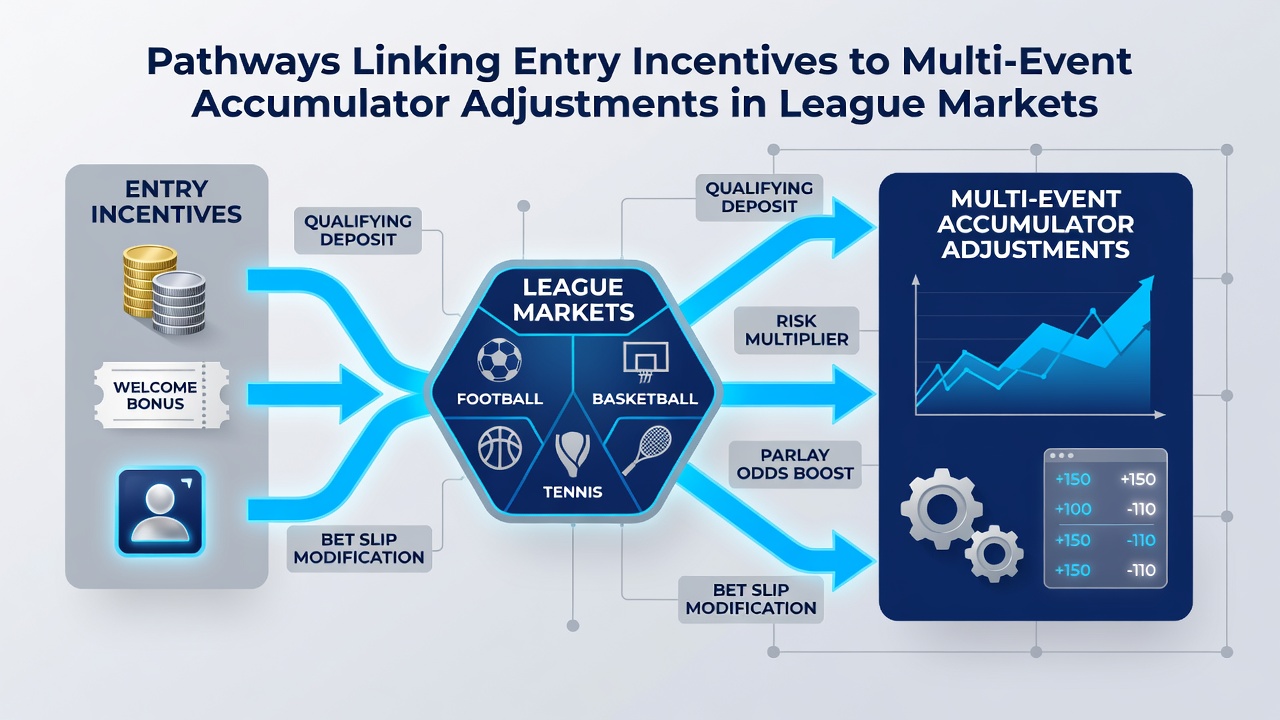 League-specific protocols determine how entry incentives translate into accumulator changes, and basketball markets often feature faster adjustment cycles compared to longer-season football structures. In June 2026, several platforms introduced temporary modifiers tied to NBA Finals-related props that carried over into off-season accumulator pools. These changes reflect broader patterns documented in reports from the European Betting and Gaming Association, where cross-vertical credit transfers appear in over 60 percent of tracked loyalty programs.
Systems employ conditional logic that evaluates both the type of entry incentive and the composition of the accumulator, applying caps or boosts accordingly. For instance, no-deposit starters might unlock smaller percentage increases on three-leg bets, whereas reload credits tied to verified deposits enable larger multipliers on five-leg selections. The pathways maintain audit trails that regulatory bodies review to ensure compliance with responsible gaming standards across jurisdictions.
Seasonal Timing and Credit Synchronization
Timing plays a central role in these pathways, since entry incentives activated early in a campaign frequently mature into accumulator adjustments during peak periods. June 2026 data shows increased synchronization between motorsport events and league prop markets, where credits earned from one vertical migrate into accumulator enhancements for another. Platforms achieve this through unified account ledgers that track incentive origins and apply corresponding modifiers without manual intervention.
Industry analyses from the Responsible Gambling Council of Canada highlight that transparent disclosure of these adjustment rules correlates with higher player retention rates. The pathways therefore incorporate notification layers that alert users when their accumulator structures receive updates based on accumulated credits or wager history.
Conclusion
Pathways linking entry incentives to multi-event accumulator adjustments continue to evolve through automated systems that balance operational efficiency with regulatory requirements. Evidence from multiple regulatory and academic sources demonstrates consistent patterns in how credits migrate across verticals and influence wager structures throughout league seasons. These mechanisms remain central to how operators manage engagement in basketball, football, hockey, and related markets while maintaining compliance frameworks.