Tracing Synchronization Methods for Credit Allocation Across Event Wagering Platforms and Digital Entertainment Systems
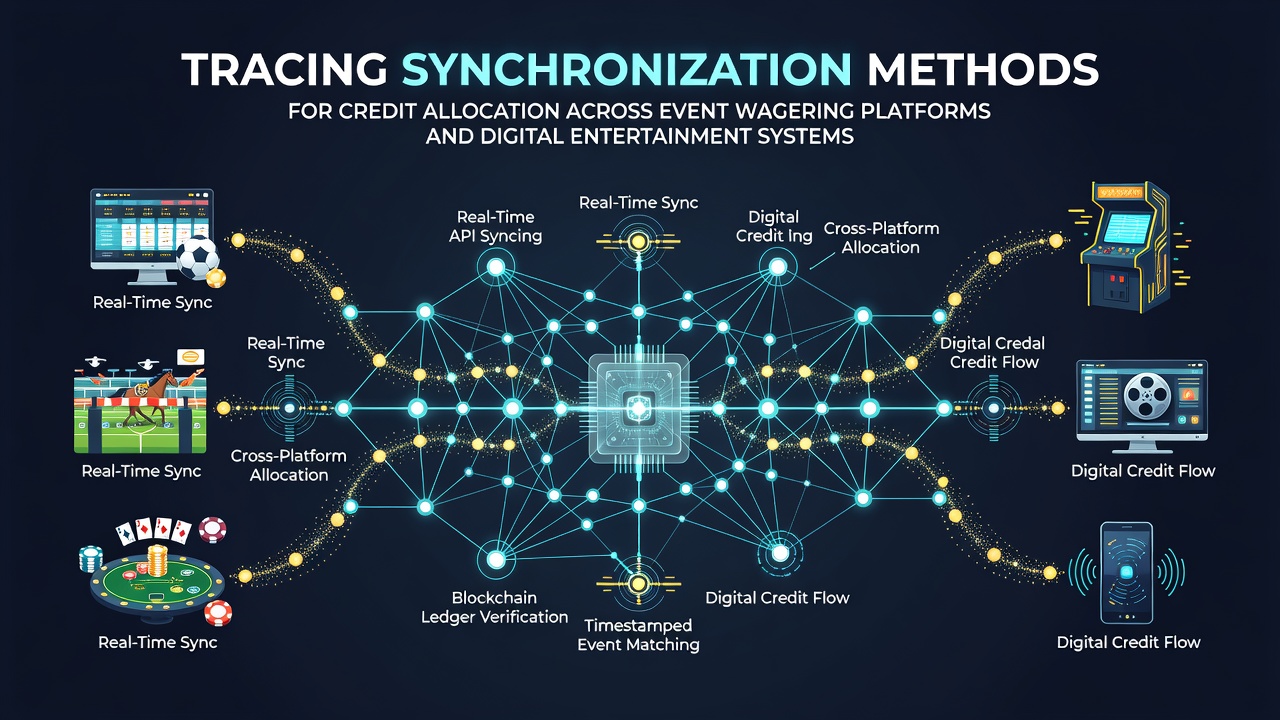
Event wagering platforms and digital entertainment systems rely on precise synchronization methods to allocate credits without discrepancies, and researchers have documented several established approaches that maintain consistency across separate environments. Data from industry reports indicates that platforms use timestamped transaction logs combined with API endpoints to push credit updates in real time, while distributed database replication ensures that changes on one side reflect immediately on the other. Observers note that these processes prevent double-spending of promotional credits or mismatches during live events such as June 2026 soccer tournaments and basketball playoffs.
Core Synchronization Techniques
Developers implement event-driven architectures where credit allocations trigger through message queues, and studies from technology research groups show that this setup allows platforms to handle thousands of simultaneous wagers without lag. One common method involves two-phase commit protocols that verify each credit transfer before finalizing it across both wagering and entertainment ledgers. Another technique relies on eventual consistency models, where systems reconcile differences through periodic batch updates rather than instant mirroring, which suits high-volume casino environments that link slot credits to sports prop bets.
Those who manage these systems often integrate blockchain elements for immutable audit trails, and evidence from pilot programs demonstrates how hashed transaction records let operators trace every credit movement from initial deposit match to final redemption. Regulatory bodies in multiple regions require such traceability, and figures from the Nevada Gaming Control Board reveal that synchronized logs must retain at least five years of data for compliance checks.
Integration Across Platform Types
Event wagering platforms frequently connect to digital entertainment systems through standardized protocols that map credit types to specific user actions, and data indicates these mappings reduce errors during cross-promotion campaigns. For instance, a reload bonus earned on an NBA wager can convert into casino reel credits through predefined conversion rules that execute automatically once the synchronization layer confirms the original allocation. Platforms in Australia and parts of Europe have adopted similar frameworks, with the Australian Communications and Media Authority publishing guidelines that emphasize secure data exchange formats to protect user balances.
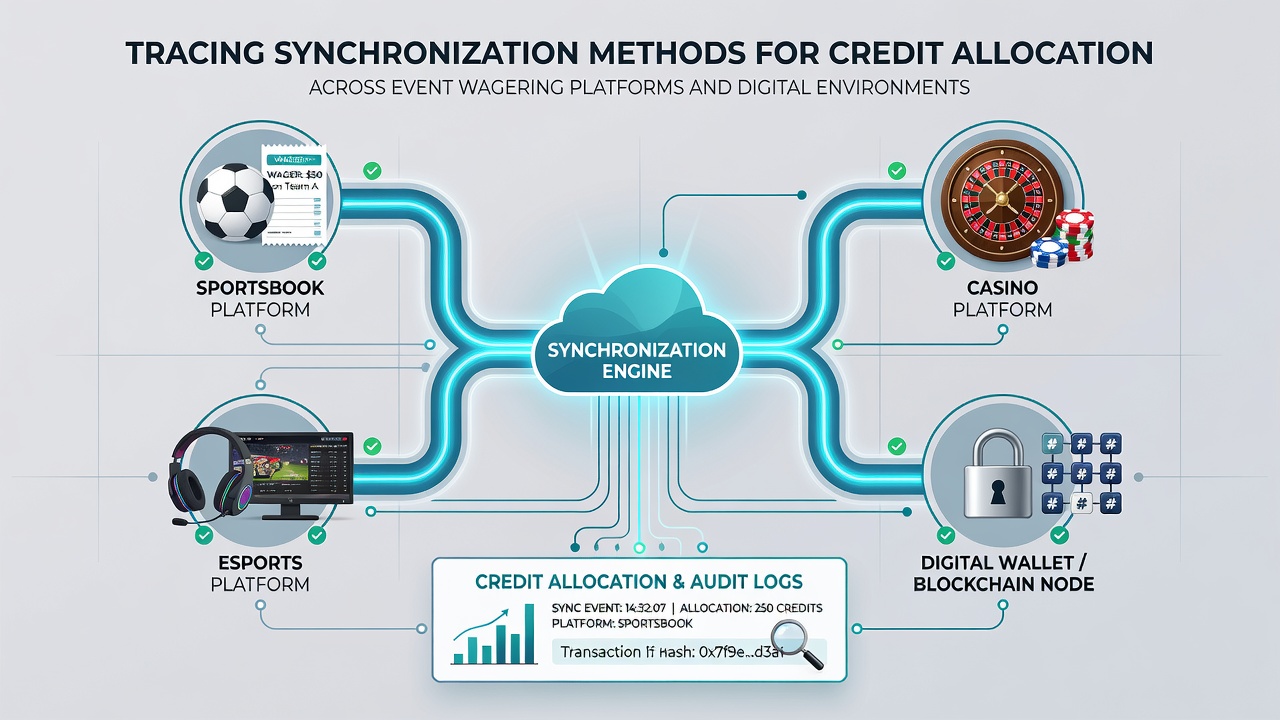
Multi-leg accumulator bets present additional challenges because partial credit releases must sync without disrupting ongoing wagers, yet developers address this through segmented ledger partitions that isolate each leg until settlement. Research from academic institutions has examined how these partitions maintain overall system integrity while allowing real-time visibility for users checking their available entertainment credits mid-event.
Compliance and Audit Considerations
Regulators across North America adn Asia require platforms to maintain synchronized records that external auditors can verify quickly, and reports show that automated reconciliation tools now flag anomalies within seconds rather than hours. In June 2026 several jurisdictions updated their technical standards to include mandatory encryption layers around credit allocation messages, which further strengthens the tracing capabilities of both internal teams and third-party reviewers. Industry organizations such as the International Association of Gaming Regulators have shared case studies where synchronized systems helped resolve disputes over uncredited free bets that later appeared as casino spins.
Platforms also employ watermarking techniques on credit tokens so that each allocation carries a unique identifier traceable back to its originating wager or game session. This approach proves especially useful when users move between mobile apps and desktop interfaces, since the identifier survives device switches and network interruptions without losing value.
Future Developments in Credit Tracing
Emerging methods incorporate machine learning to predict synchronization bottlenecks before they affect credit balances, and early implementations have shown reduced downtime during peak betting windows. Observers point to ongoing work on zero-knowledge proofs that let platforms verify credit integrity without exposing full transaction details, a development that aligns with tightening privacy regulations in several markets. As these tools mature, operators continue to refine the pathways that connect event wagering credits with digital entertainment rewards, ensuring that allocation remains both accurate and auditable across expanding platform ecosystems.
Conclusion
Synchronization methods for credit allocation continue to evolve through a combination of established protocols and newer verification technologies, and records from multiple regulatory sources confirm that these systems support reliable operations between wagering and entertainment environments. Platforms that implement robust tracing mechanisms maintain compliance while delivering seamless credit experiences for users engaged in diverse betting and gaming activities.