Uncovering Synchronization Patterns Between MLB Playoff Prop Incentives and Their Conversion Routes Into Sustained Casino Table Credits During Baseball Offseasons
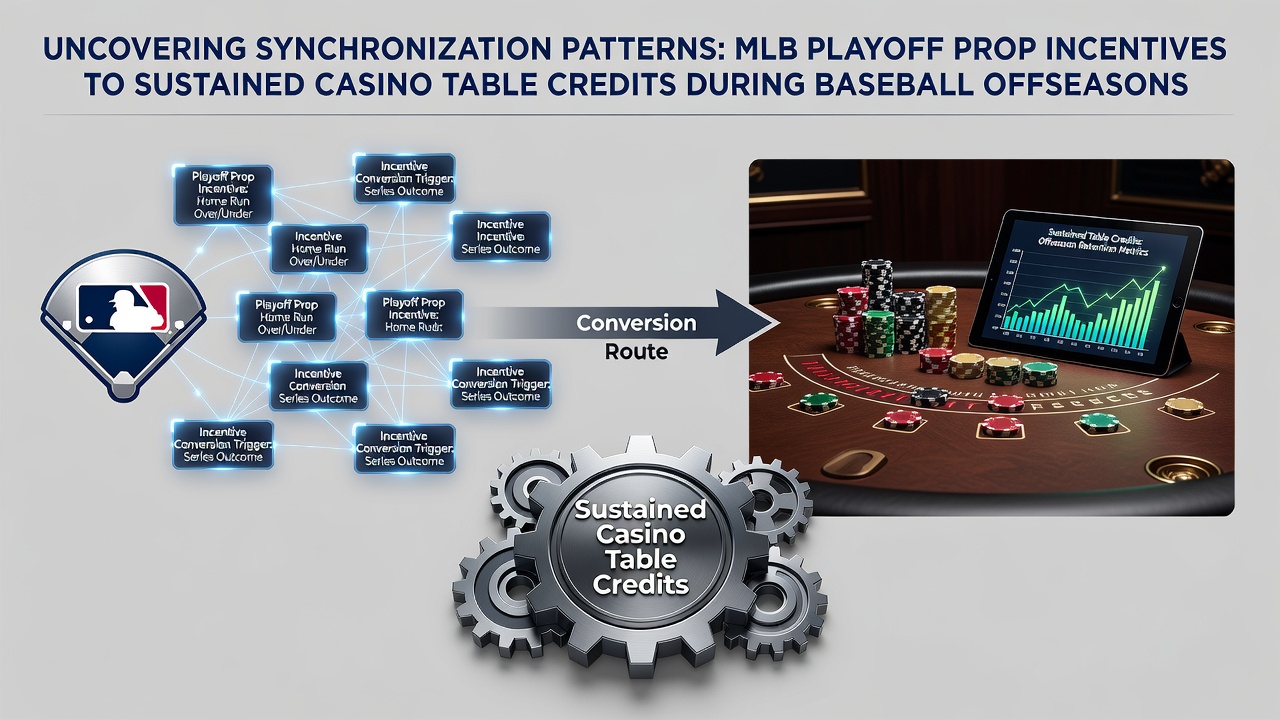
MLB playoff prop incentives often align with structured conversion pathways that shift wagering credits into casino table environments once the regular season concludes, and observers note these patterns emerge through specific rollover thresholds and promotional timelines that platforms coordinate across multiple jurisdictions. Data indicates that prop bets on division series outcomes and league championship series performers frequently carry bonus multipliers which migrate into table game credits during the months following October play, with systems designed to maintain engagement when live baseball events pause.
Mapping Incentive Structures in MLB Playoff Props
Playoff prop markets typically feature incentives tied to player performance metrics such as strikeout totals or hit accumulations, and these offers include built-in conversion clauses that activate after a set number of qualifying wagers reach completion. Platforms route these credits through sequenced stages where initial sports betting rewards transition into casino environments, often requiring users to meet combined playthrough conditions that span both verticals before full access unlocks. Research from the American Gaming Association shows that such layered systems appear most consistently in markets where operators maintain integrated accounts for sports and table products.
July 2026 figures reveal increased activity in these pathways as operators prepare for postseason campaigns, with promotional calendars adjusting rollover percentages to accommodate the extended offseason window that stretches from November through February. Those who track these cycles find that prop incentives from earlier playoff rounds feed directly into table credit pools, creating sustained balances that remain available for blackjack and roulette sessions during periods without live MLB contests.
Conversion Routes and Offseason Credit Flows
Conversion routes operate through automated allocation engines that detect when sports bonus balances satisfy minimum activity levels, then redirect portions into casino ledgers without requiring separate deposits. Experts observe that these mechanisms rely on timestamped triggers linked to playoff game conclusions, allowing credits earned from prop resolutions to carry forward into table game environments once the World Series ends. The process incorporates geographic variations, with operators in different regions applying distinct sequencing rules that reflect local regulatory frameworks.
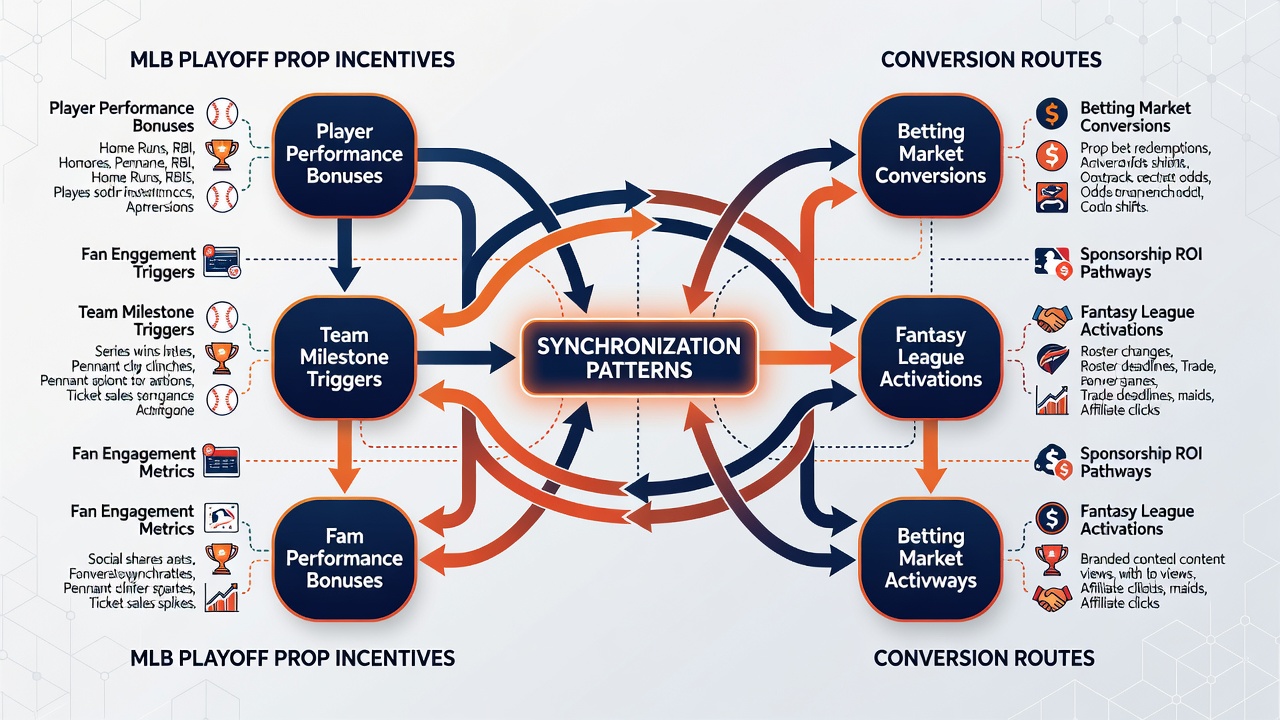
One documented pattern involves multi-leg prop accumulators that unlock escalating credit values upon successful resolution, and these values then convert at fixed ratios into table game chips once baseball activity ceases. Industry reports from the Alcohol and Gaming Commission of Ontario indicate that synchronization between these stages reduces friction for users who maintain continuous account activity across seasons. Platforms achieve this through unified loyalty tracking that recognizes both prop wager volume and subsequent table play sessions, preserving credit validity across the calendar gap.
Seasonal Synchronization Mechanics
Synchronization mechanics depend on coordinated calendars where playoff prop deadlines align with casino credit expiration windows, ensuring that balances generated during October events remain usable into the following spring training period. Data shows that operators adjust these timelines annually based on historical wagering volumes, with July 2026 adjustments reflecting increased emphasis on table game retention during the longest stretch without MLB games. Those monitoring the systems note that credit conversion rates stabilize when operators apply consistent multiplier rules across both sports and casino segments.
Additional patterns surface when prop incentives include conditional bonuses that activate only after the postseason concludes, directing users toward table environments through targeted notifications and automatic balance transfers. This approach maintains momentum by linking earlier baseball activity to later table sessions without interrupting the overall promotional lifecycle. Observers note that such methods appear in multiple North American and international markets where integrated platforms operate under unified regulatory oversight.
Conclusion
Patterns connecting MLB playoff prop incentives to casino table credits during baseball offseasons rely on structured rollover sequences, automated allocation triggers, and calendar alignment that platforms refine each cycle. Information from regulatory bodies and industry analyses demonstrates how these routes function through consistent mechanics that preserve credit value across seasonal transitions, providing measurable continuity for account holders who engage with both verticals.